Finding AA Meetings in Rural Wyoming: Directories & Tips
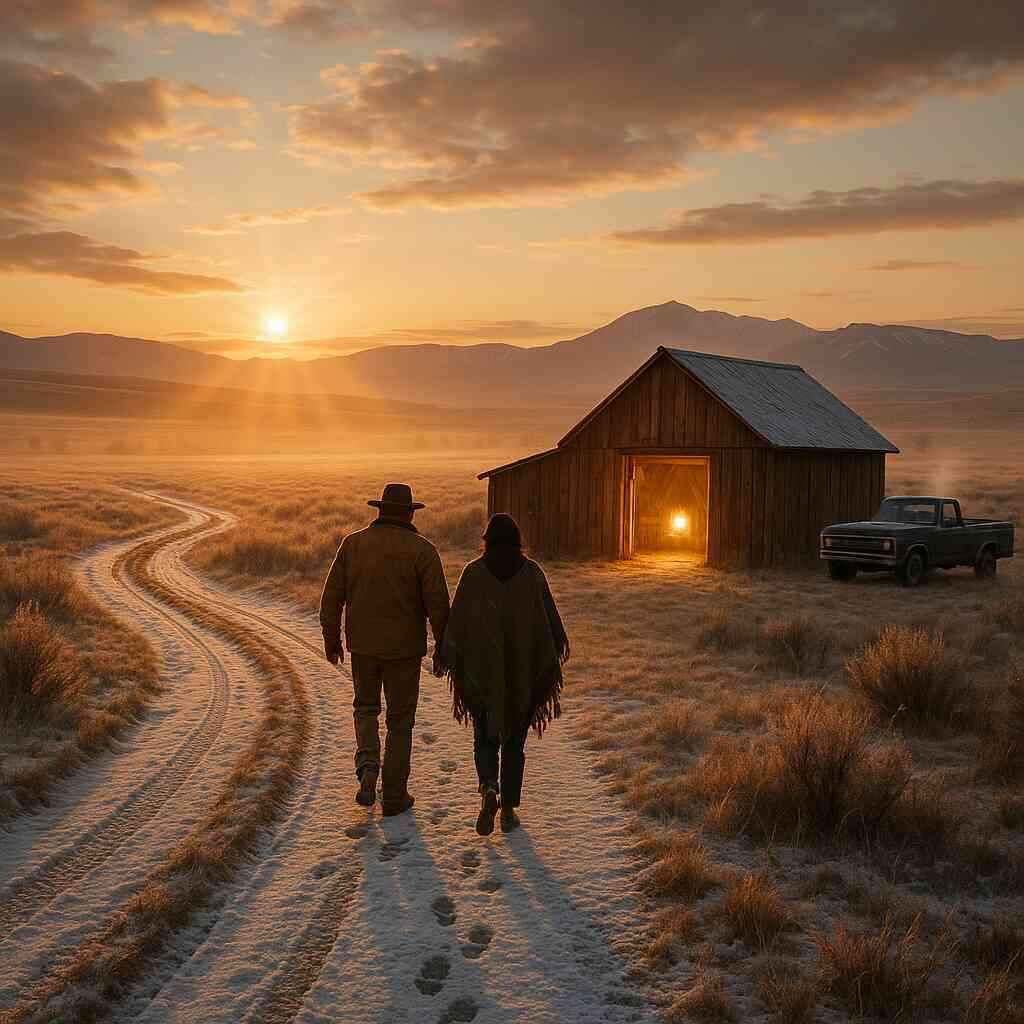
Navigating Sobriety on the High Plains
Living on the open range offers quiet stars and wide horizons—but also long drives and limited services. When you are looking for Alcoholics Anonymous support in sparsely populated Wyoming counties, planning ahead is essential. This guide explains how the modern AA Meetings Directory helps ranch hands, teachers, retirees, and tribal members locate the right meeting format even when the nearest neighbor is a mile away.
Why an Online Directory Matters Off the Grid
- Sparse Population – Many counties count fewer than two people per square mile. A single weekly meeting may serve several towns.
- Seasonal Weather – Winter whiteouts can close roads for days. Quick access to backup meetings—phone, hybrid, or online—protects sobriety when travel is unsafe.
- Privacy Concerns – Small-town life means everyone knows your truck. A searchable directory lets newcomers explore options quietly before walking through the door.
- Route Planning – Ranch deliveries, medical appointments, and supply runs often dictate travel. Filtering meetings by day, time, and nearby landmarks helps blend recovery into existing trips.
Common Meeting Formats You Will See
| Setting | Usual Atmosphere | Good Fit For |
|---|---|---|
| Church basement | Reflective, structured readings | Those who appreciate tradition and quiet discussion |
| Saddle club barn | Informal, story-heavy, coffee thermoses on hay bales | Folks comfortable in ranch culture and open conversation |
| Tribal community hall | Talking-circle style, cultural prayers or drumming | Members on Wind River Reservation or anyone seeking Indigenous traditions |
| Volunteer firehouse | Practical, step-study focus, potluck afterward | Shift workers, oil-field crews, families with kids |
Having these differences spelled out in a directory entry allows you to select a setting that meshes with your comfort level the first time you walk in.
Steps to Locate a Meeting Quickly
- Search by County or ZIP. Typing the county name filters listings to a manageable number.
- Pick a Format. Choose open, closed, speaker, or hybrid. Open meetings welcome observers such as family; closed meetings are for alcoholics only.
- Check Accessibility Notes. Many rural venues have gravel lots or a single stairway. Look for wheelchair icons or contact numbers if mobility is a concern.
- Save GPS Coordinates. Cell coverage drops between basins. Screenshot or write down the latitude and longitude before you leave home.
- Print a Backup Copy. A folded paper schedule in the glove box becomes gold when batteries die in sub-zero temperatures.
Integrating the 12 Steps With Local Culture
Wyomingites prize independence, yet the cattle brand tradition also teaches loyalty to the crew. The twelve steps mirror that balance: admit personal limits while relying on collective strength.
- Step Four (Moral Inventory) feels like tallying livestock before a storm—taking honest stock prevents losses later.
- Step Nine (Amends) resembles fixing a wind-damaged fence line so cattle—and relationships—do not drift.
On the Wind River Reservation, elders observe similarities between AA sharing and traditional talking circles. Both lift stories into the open, promote accountability, and invite a spiritual awakening. Recognizing those parallels reduces resistance and invites younger members to see recovery and cultural pride riding the same horse.
Winter Logistics: Staying Sober When Roads Close
Blizzards can strand residents for days. Consider these tactics:
- Carpool Chains. Create a text group each fall. One four-wheel drive can collect five households when the highway reopens for a few hours.
- Telephone Meetings. Many rural groups maintain a conference-call number for emergency use. Store it in your contacts now, not later.
- Relapse Trigger List. Snow days can breed isolation. Keep a written list of chores—tack repair, tax prep, genealogy research—so idle time does not drift toward drinking thoughts.
- Cross-Fellowship Visits. If AA is snowed in but Narcotics Anonymous meets in a nearby energy-boom town, attending keeps momentum alive. Most NA groups welcome anyone fighting alcohol as their primary issue.
Comparing Tuesday and Thursday Paths: A Real Example
Imagine you live outside Saratoga. The directory shows:
- Tuesday 7 p.m., Episcopal Church – Big Book study, quiet, candle-lit, 10 people.
- Thursday 7 p.m., Fairgrounds Barn – Open discussion, kids playing tag near the bleachers, 25 people.
Trying both reveals where you feel safest to speak. Some members attend each for different reasons: structured learning on Tuesday, community energy on Thursday. The directory’s short descriptions replace guesswork with informed choice.
Safety and Anonymity Tips
- Park away from the front door if that eases anxiety about being recognized.
- Bring your own mug; fewer shared items are handy during flu season.
- First names only. If someone asks for more, it is okay to decline.
- New? Arrive five minutes early and tell the greeter. A quick orientation calms nerves before the opening Serenity Prayer.
Key Takeaways
- The AA Meetings Directory transforms vast Wyoming distances into an organized map of recovery options.
- Filtering by format, accessibility, and landmarks lets members align meetings with their lifestyle and transportation limits.
- Integrating ranch values and tribal traditions with the 12 steps makes the program resonate locally.
- Preparing for winter with alternate meetings and carpool plans protects hard-won sobriety when storms strike.
Choosing sobriety on the High Plains is never a solo ride. With the right directory tools and a bit of planning, every gravel road can become a workable trailhead toward lasting recovery.
Comparing AA Meetings Directory Paths in Rural Wyoming


Comments
Post a Comment